Puppy-proof the home
Remove access to cords, medications, cleaning products, small objects, toxic foods and plants. Use baby gates and an exercise pen to create manageable spaces.
Your puppy’s first weeks home shape routines that can last a lifetime. These practical tips can help your new family member settle in safely and successfully.
Your veterinarian and qualified trainer should remain your primary resources for individual medical and behavioral advice.
Remove access to cords, medications, cleaning products, small objects, toxic foods and plants. Use baby gates and an exercise pen to create manageable spaces.
Young puppies need frequent potty breaks, meals, supervision and short positive practice being alone. Arrange help if your workday is longer than your puppy can comfortably manage.
Choose a crate sized for your puppy’s expected adult size with a divider. Build positive associations through meals, treats and brief calm sessions.
Prepare stainless-steel bowls, an ID tag, leash and collar, safe chew toys, grooming tools, enzymatic cleaner, crate, exercise pen and the food your puppy is already eating.
Ask your veterinarian about local disease risk and the safest socialization plan for your puppy.
Schedule a new-puppy visit soon after go-home. Bring the provided health and vaccine records so your veterinarian can create an individualized vaccination, parasite-prevention and wellness plan.
Avoid dog parks, communal pet-relief areas and places heavily traveled by dogs until your veterinarian says they are safe. Controlled socialization—being carried in public, meeting known vaccinated dogs and experiencing clean private spaces—can still help build confidence.
Use a properly fitted collar with current identification and register the microchip immediately. Keep contact information updated throughout your dog’s life.
Keep chocolate, grapes and raisins, xylitol, onions, garlic, alcohol, cannabis products and human medications out of reach. Contact a veterinarian or pet poison service immediately after a possible exposure.
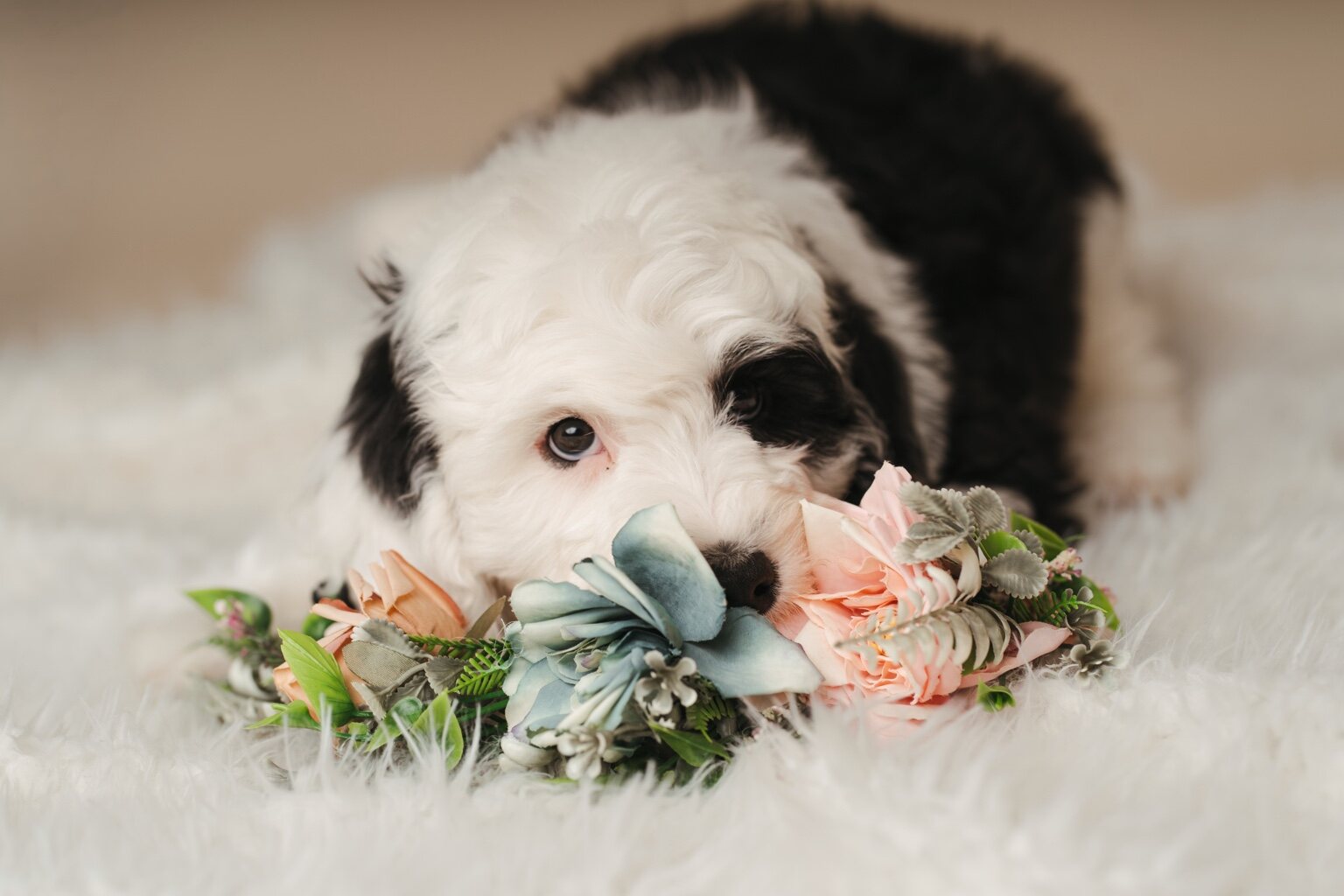
Reward the behaviors you want with food, play and praise. Redirect unwanted behavior and keep training sessions short, clear and age appropriate.
A well-run class supports social skills, communication and basic manners. Choose a trainer who uses reward-based methods and maintains appropriate vaccine and sanitation policies.
Gently touch feet, ears, tail, mouth and body while pairing handling with rewards. This prepares your puppy for veterinary care and lifelong grooming.
Doodle coats require routine brushing, combing and professional grooming. Early, positive grooming exposure helps prevent matting and reduces stress later.
We are happy to help approved families prepare for their new Rock N Roll Doodle.
Ask Jaiden